


In an era where social interactions increasingly define personal and professional opportunities, Sompa Delight with Abena Ruthy has once again delivered a timely and impactful conversation—this time focusing on the often-overlooked subject of etiquette.
Hosted by Abena Ruthy, the show welcomed renowned entrepreneur and lifestyle expert Melisa Abbey Quaye for the second part of her etiquette series. With a rich blend of practical guidance and social insight, the discussion centered on non-verbal communication at the dining table and its far-reaching implications.
The Language Without Words
According to Melisa Abbey Quaye, etiquette extends far beyond formal rules—it is a powerful form of non-verbal communication that conveys respect, discipline, and awareness.
From posture to patience, every action at the table sends a message. She cautioned against negative conversations during meals, emphasizing that such behavior can disrupt the atmosphere and diminish the experience for others. Instead, she encouraged a calm, respectful presence that fosters pleasant interaction and mutual respect.
“Etiquette creates a positive first impression,” she noted, highlighting its role in shaping how individuals are perceived in both social and professional settings.
A Foundation for Confidence and Growth
Beyond the dining table, etiquette plays a crucial role in personal development, especially among children. Teaching proper dining habits early in life, she explained, helps build confidence, discipline, and social competence.
Interestingly, she also pointed out that structured eating habits associated with etiquette—such as mindful chewing and portion control—can contribute to a healthier lifestyle and weight management.
Understanding the Rules of the Table
The discussion offered a comprehensive guide to dining conduct, reinforcing timeless principles that define refined behavior:
Guests should always wait until everyone is served before beginning to eat
In many cultures, placing elbows on the table during meals is discouraged
Hands should be kept appropriately positioned to avoid unnecessary contact with table items
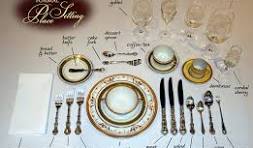
Melisa also clarified the correct use of cutlery:
Utensils are arranged in order of use—from outer to inner
The outer cutlery is used for starters, while inner utensils are reserved for the main course
Smaller spoons and forks are typically designated for dessert
Grace in Every Bite
Dining etiquette, she explained, is as much about how one eats as what one eats.
Food should be cut into manageable bite sizes, one or two pieces at a time
Diners are encouraged to bring food to the mouth, rather than leaning toward the plate
Speaking while chewing should be avoided to prevent discomfort or choking
When conversation becomes necessary, she advised the use of a napkin to discreetly cover the mouth before speaking.
Respectful Interaction at the Table
Etiquette also governs how individuals relate to others during meals:
Cutlery should be placed down when engaging in conversation
Items such as water should be passed through the nearest person politely
When offering condiments like salt, it is courteous to include pepper as well
These small gestures, she emphasized, reflect attentiveness and social awareness.
Attention to Detail Defines Elegance
The session also highlighted subtle yet significant aspects of dining behavior:
Individuals wearing lipstick should dab their lips before drinking and maintain consistency when sipping from a glass
Wine glasses should be held by the stem to preserve temperature and presentation
Beverages with visible residue should be avoided
In situations requiring discretion, such as removing food from between the teeth, diners should use a napkin to cover their mouth before using a toothpick.
Etiquette as a Way of Life
As the discussion concluded, one message resonated clearly—etiquette is not merely a set of rules for formal occasions, but a lifestyle rooted in respect, mindfulness, and intentional behavior.
Through her insightful presentation, Melisa Abbey Quaye underscored the importance of mastering these everyday practices, noting that they have the power to influence relationships, enhance personal image, and open doors to new opportunities.
In today’s fast-paced world, where impressions are formed in moments, the lessons from Sompa Delight serve as a reminder that true sophistication lies not in extravagance, but in the quiet confidence of knowing how to behave with grace.
Sompaonline.com/Editorial Desk









 Sompaonline.com offers its reading audience with a comprehensive online source for up-to-the-minute news about politics, business, entertainment and other issues in Ghana