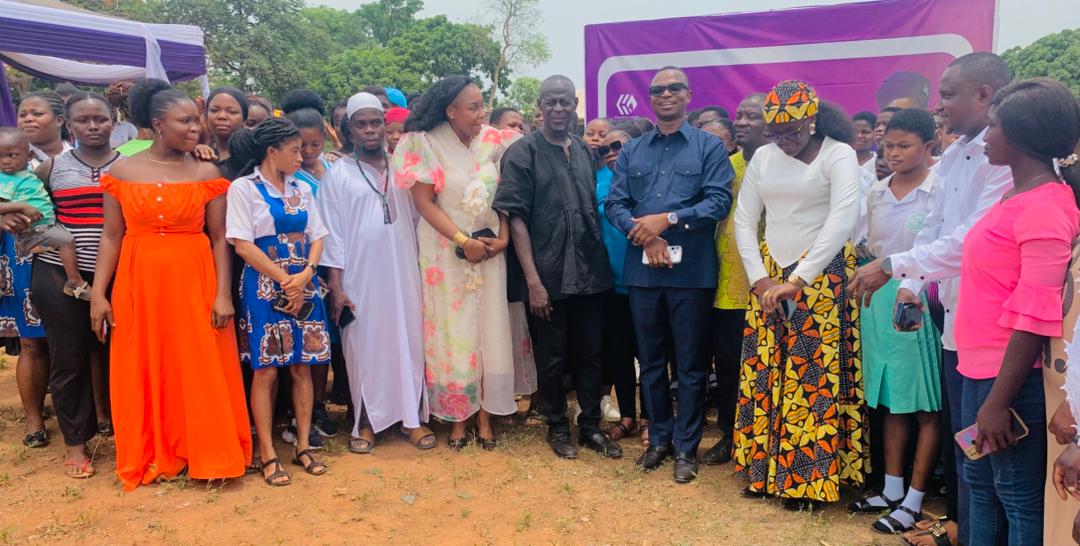

Wan Hive Ghana, a non-governmental organization committed to promoting sustainable livelihoods and entrepreneurship, has launched a Cashew Value Addition and Livelihood Empowerment Project (CALEB) at Suma Ahenkro in the Jaman North District of the Bono Region.
The organization moved swiftly to address the challenge by introducing the project on April 8, 2026, with the aim of transforming what is often discarded into valuable products that can improve incomes and reduce post-harvest losses.

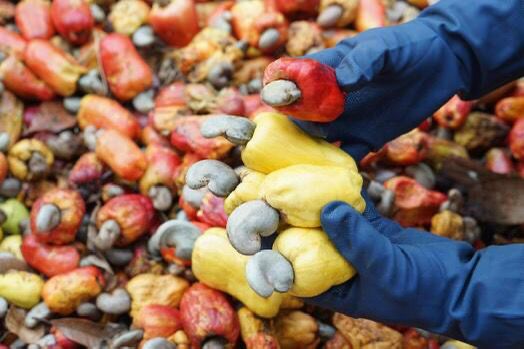
The program is specifically designed to empower women in cashew-producing communities by equipping them with practical skills to process cashew apples into marketable products such as juice, jam, and other by-products, while continuing to sell the cashew nuts.
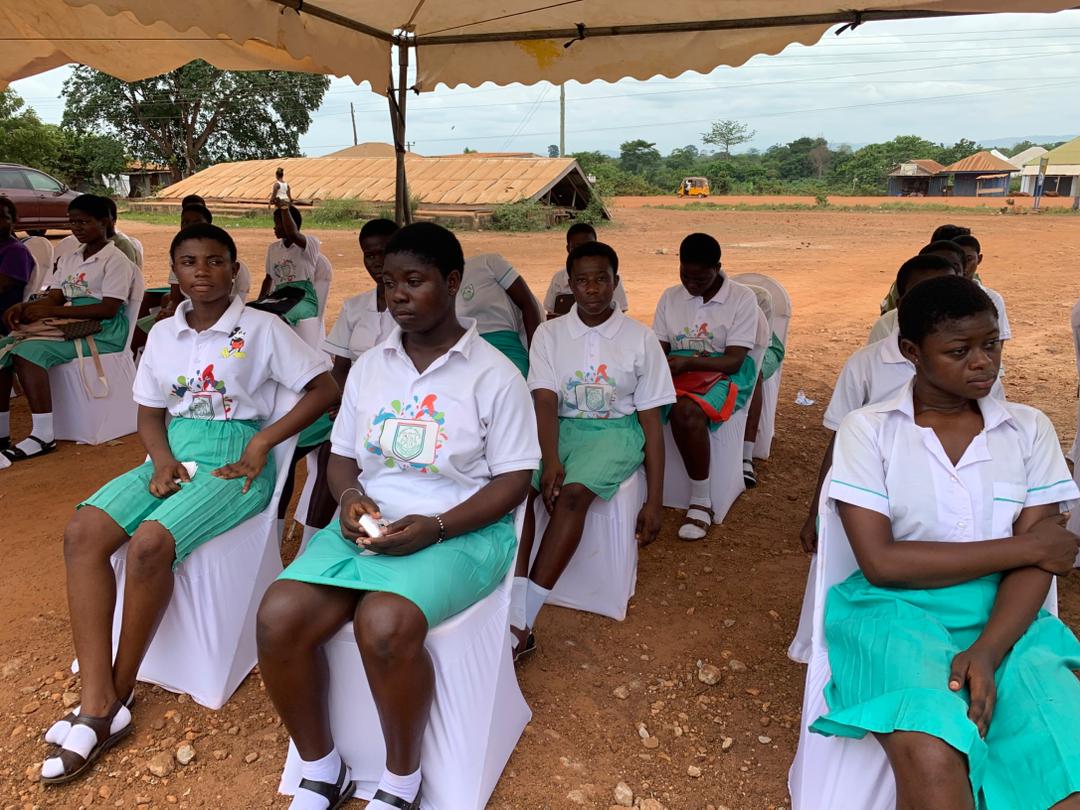
In its initial phase, the project will train 50 women drawn from Suma Ahenkro and surrounding communities.
The beneficiaries will receive hands-on training in processing techniques, packaging, hygiene standards, and basic entrepreneurship to enable them to turn the cashew apples into profitable ventures.
Organizers say the project also aims to reduce environmental waste, as large quantities of cashew apples are usually left to rot during the harvesting season.
Speaking at the launch, the Chief Executive Officer of Wan Hive Ghana, Janat Issifu, explained that the program was introduced to educate cashew farmers and community members about the untapped economic value of cashew apples.
She noted that many farmers focus only on the nuts and ignore the apples, which have the potential to generate additional income if properly utilized.

According to her, the training will empower beneficiaries with knowledge and skills that can help them diversify their income sources and improve their livelihoods.
She further emphasized that the initiative forms part of Wan Hive Ghana’s broader commitment to promoting rural development and women’s empowerment.
She encouraged participants to take advantage of the opportunity and apply the knowledge gained to benefit their families and communities.

Also addressing the gathering, Eric Agyei, Chief Executive Officer of the National Entrepreneurship and Innovation Programme, commended Wan Hive Ghana for the initiative.
He urged young people to embrace agriculture and agribusiness, stressing that value addition in farming presents significant economic opportunities.
He advised beneficiaries to take the training seriously, adding that the skills they acquire could serve as a foundation for sustainable businesses in the future.
He also highlighted the importance of innovation and entrepreneurship in transforming local economies, noting that projects such as CALEB can help reduce unemployment and promote self-reliance among rural populations.

The beneficiaries expressed their profound gratitude to Wan Hive Ghana for the intervention.
They indicated that the training has opened their eyes to the importance of cashew apples, which were previously considered waste.
According to them, the knowledge gained will help them convert the apples into useful products for sale, thereby generating extra income for their households.
Some of the participants added that the initiative would not only improve their economic conditions but also help reduce food waste in the community.
They pledged to take the training seriously and share the knowledge with others to ensure the project’s sustainability.
The Cashew Value Addition and Livelihood Empowerment Project is expected to contribute significantly to improving livelihoods, reducing post-harvest losses, and promoting agribusiness development in the Jaman North District and beyond.
Sompaonline.com/Nana Agyemang Opambour